By TLC Wellness
Have you ever noticed that long after a stressful situation has ended, your body still reacts as if it’s happening?
Maybe your shoulders tense when you receive an email notification.
Your heart races before a meeting, even though nothing feels threatening.
You struggle to fall asleep despite feeling physically exhausted.
Or perhaps you can’t explain why certain situations leave you feeling anxious, overwhelmed, or emotionally drained.
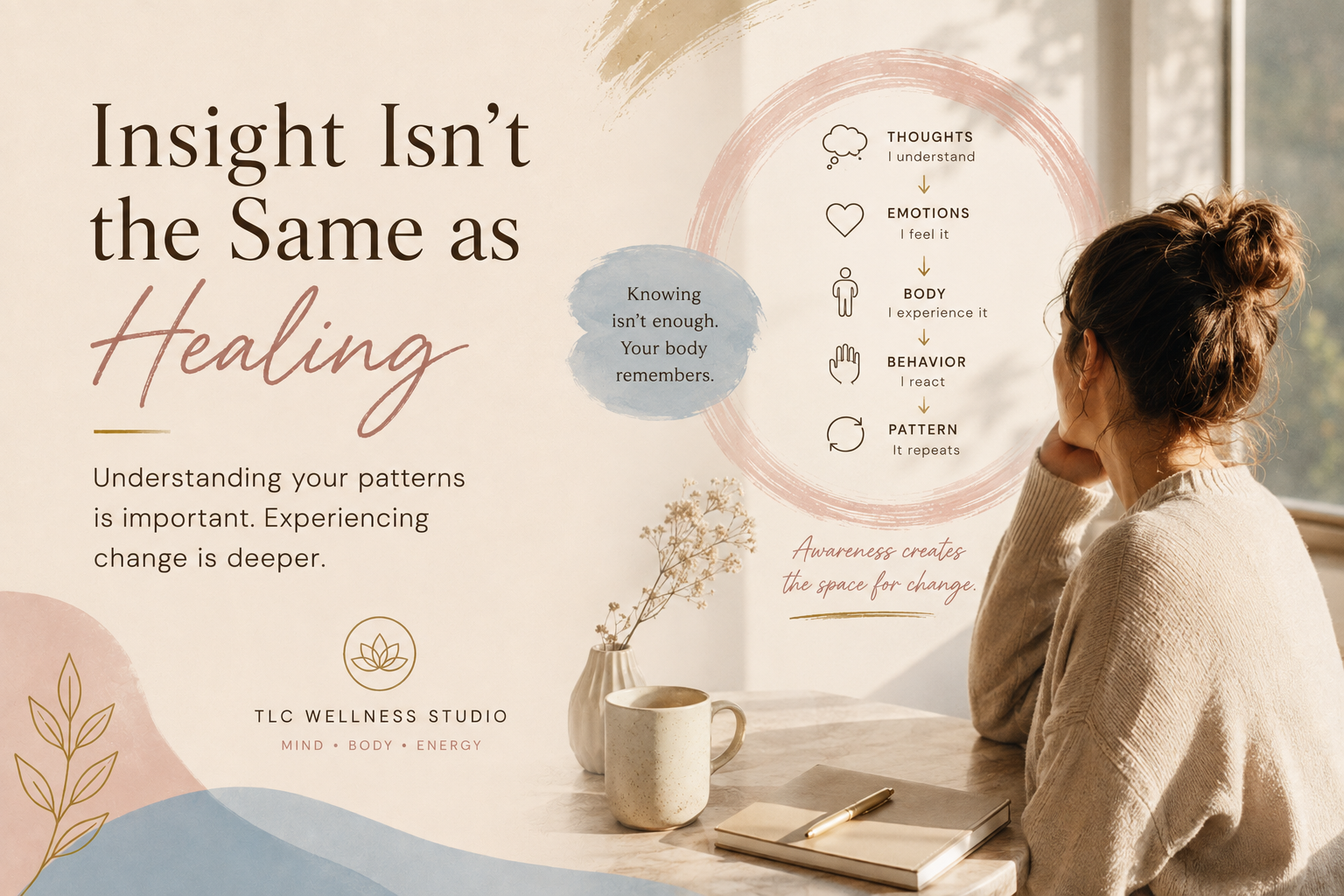
Many people describe these experiences by saying, “My body remembers.”
While that phrase isn’t a medical diagnosis, it reflects something researchers and healthcare professionals have been exploring for decades: our emotional experiences and physical responses are deeply connected.
Understanding that connection can change the way we think about healing.
The Mind and Body Are Constantly Communicating
For many years, health was often discussed as though the mind and body functioned separately.
Today, neuroscience, psychology, and integrative medicine increasingly recognize that they work together in remarkably complex ways.
When we experience stress, the brain activates systems throughout the body.
Muscles tighten.
Breathing changes.
Stress hormones increase.
Heart rate rises.
These responses are designed to help us survive challenging situations.
Most of the time, once the challenge has passed, the body gradually returns to balance.
But when stress is frequent, prolonged, or emotionally significant, that process may take longer.
Why Certain Situations Feel Bigger Than They Are
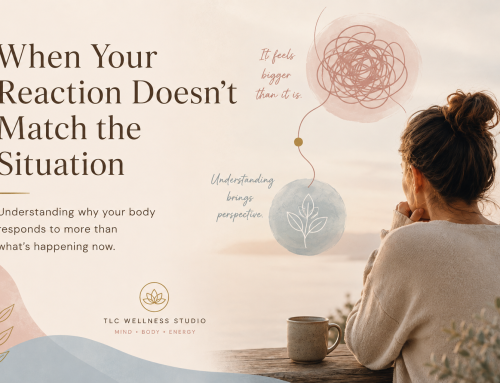
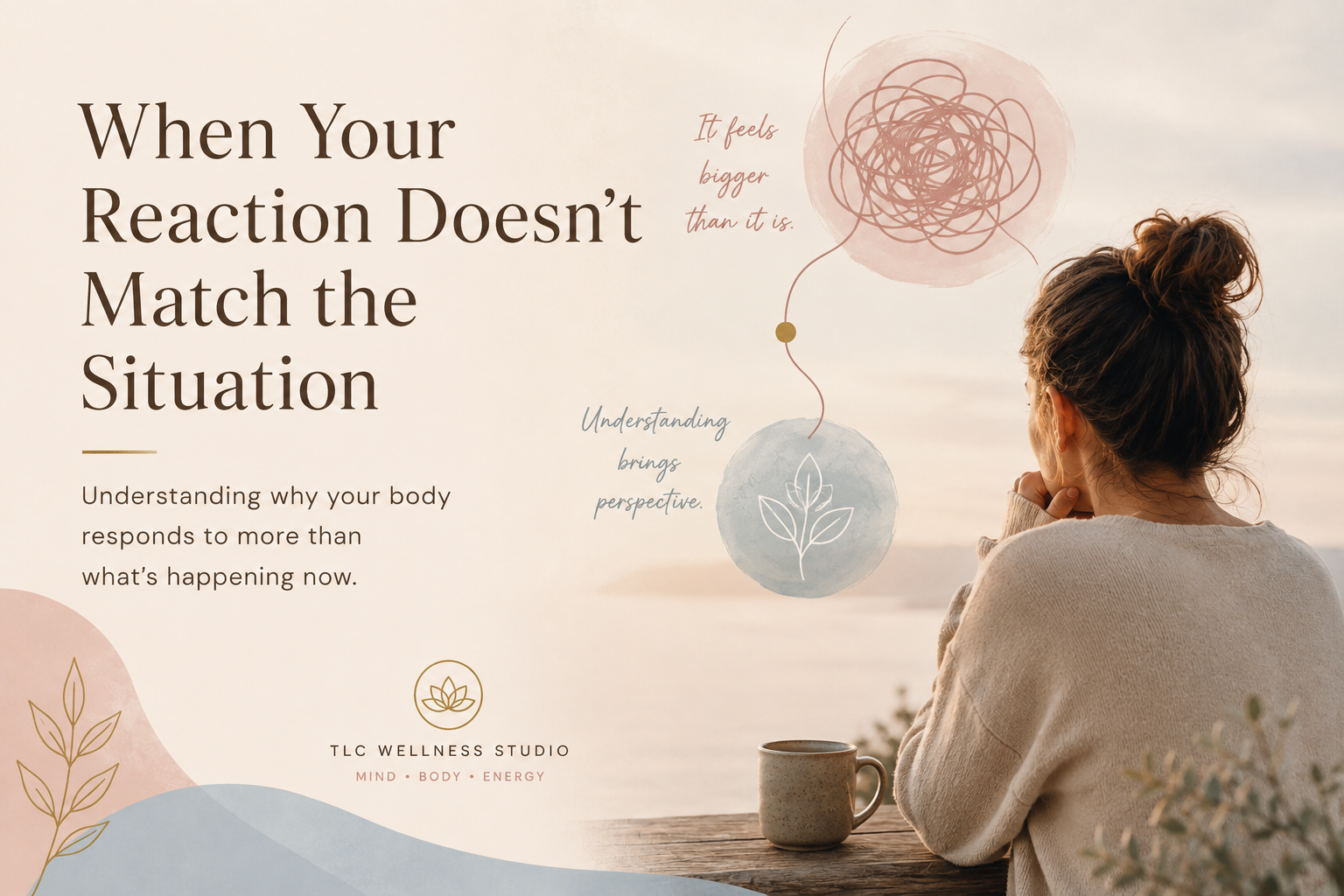
Have you ever wondered why a small inconvenience can sometimes trigger a surprisingly strong emotional reaction?
Often, it isn’t just the present moment.
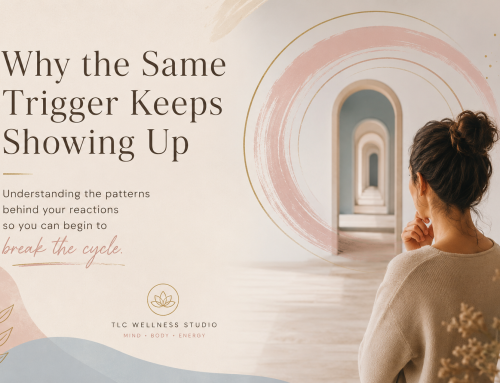
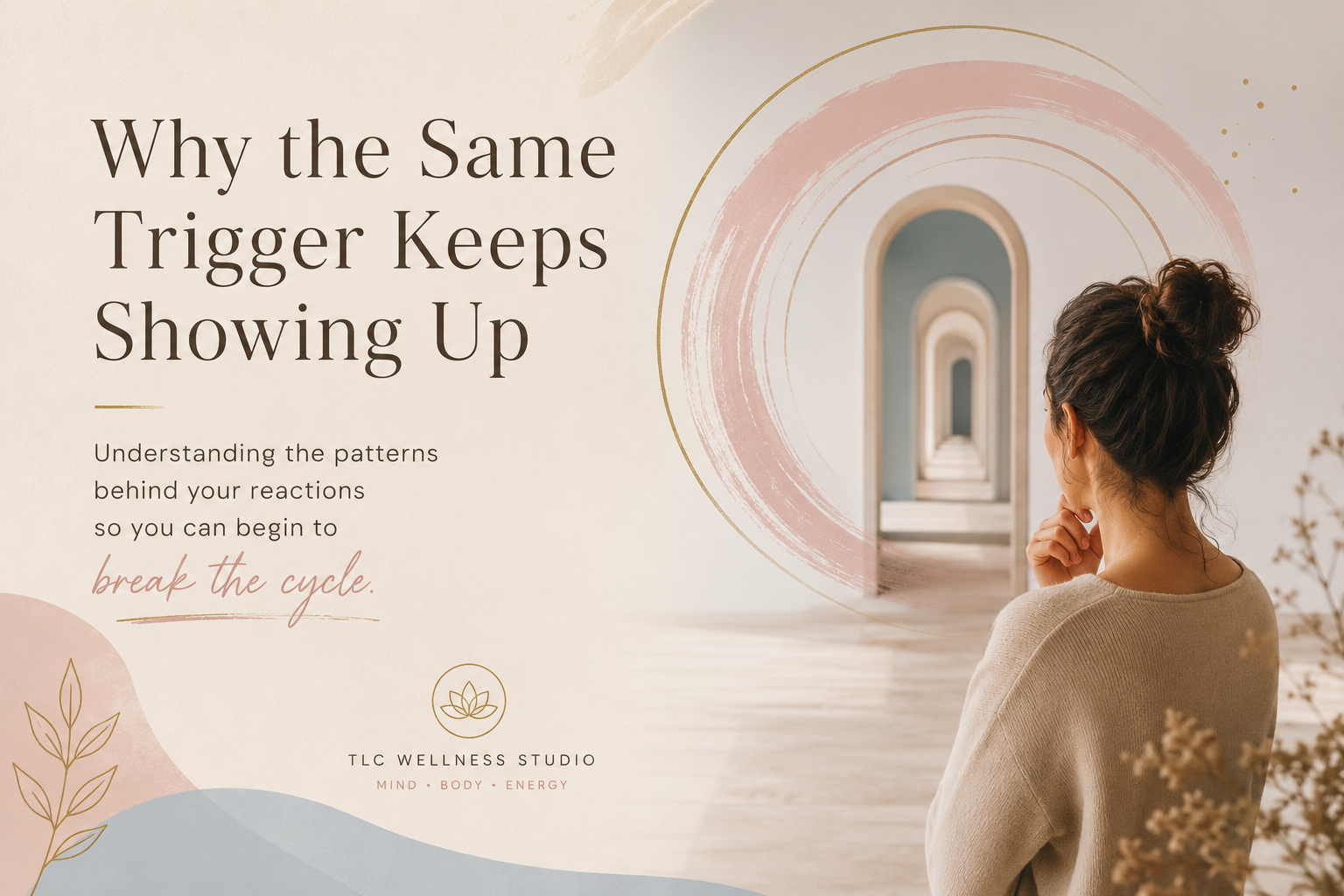
Our nervous system is constantly comparing new experiences to previous ones.
If something feels familiar to a past stressful experience, the body may prepare to protect us before we consciously understand what’s happening.
This isn’t weakness.
It’s one of the ways the nervous system tries to keep us safe.
Recognizing these patterns allows us to respond with greater compassion instead of self-criticism.
What Does It Mean to “Hold On” to Stress?
People often say they “carry stress” in different parts of the body.
Some notice:
- Tight shoulders
- Jaw tension
- Frequent headaches
- Digestive discomfort
- Muscle aches
- Shallow breathing
- Difficulty relaxing
These experiences can have many possible causes, and persistent symptoms should always be discussed with a qualified healthcare professional.
Still, they also remind us that emotional experiences are often felt physically.
Rather than viewing these sensations as problems to eliminate immediately, we can begin asking:
“What might my body be communicating?”
That simple shift—from judgment to curiosity—can become a powerful part of healing.
The Growing Interest in Mind-Body Approaches
As understanding of the mind-body connection has grown, many people have become interested in practices that encourage greater awareness of both emotional and physical experiences.
These include:
- Mindfulness
- Breathwork
- Yoga
- Somatic therapies
- Grounding exercises
- Emotional Freedom Techniques (EFT)
- Other approaches within the field of energy psychology
Each practice is different, and research continues to evolve.
Some approaches have a larger body of evidence than others, while others remain areas of ongoing investigation.
Rather than viewing them as replacements for conventional healthcare, many people choose to use these practices alongside medical or mental health support as part of a whole-person approach to wellbeing.
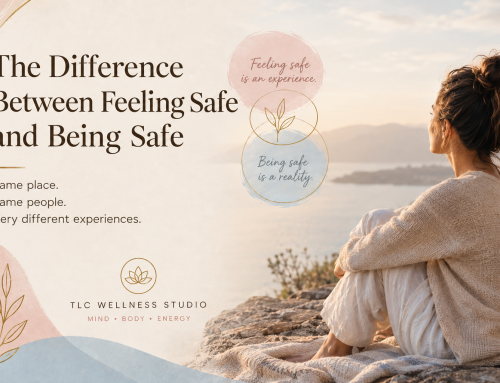
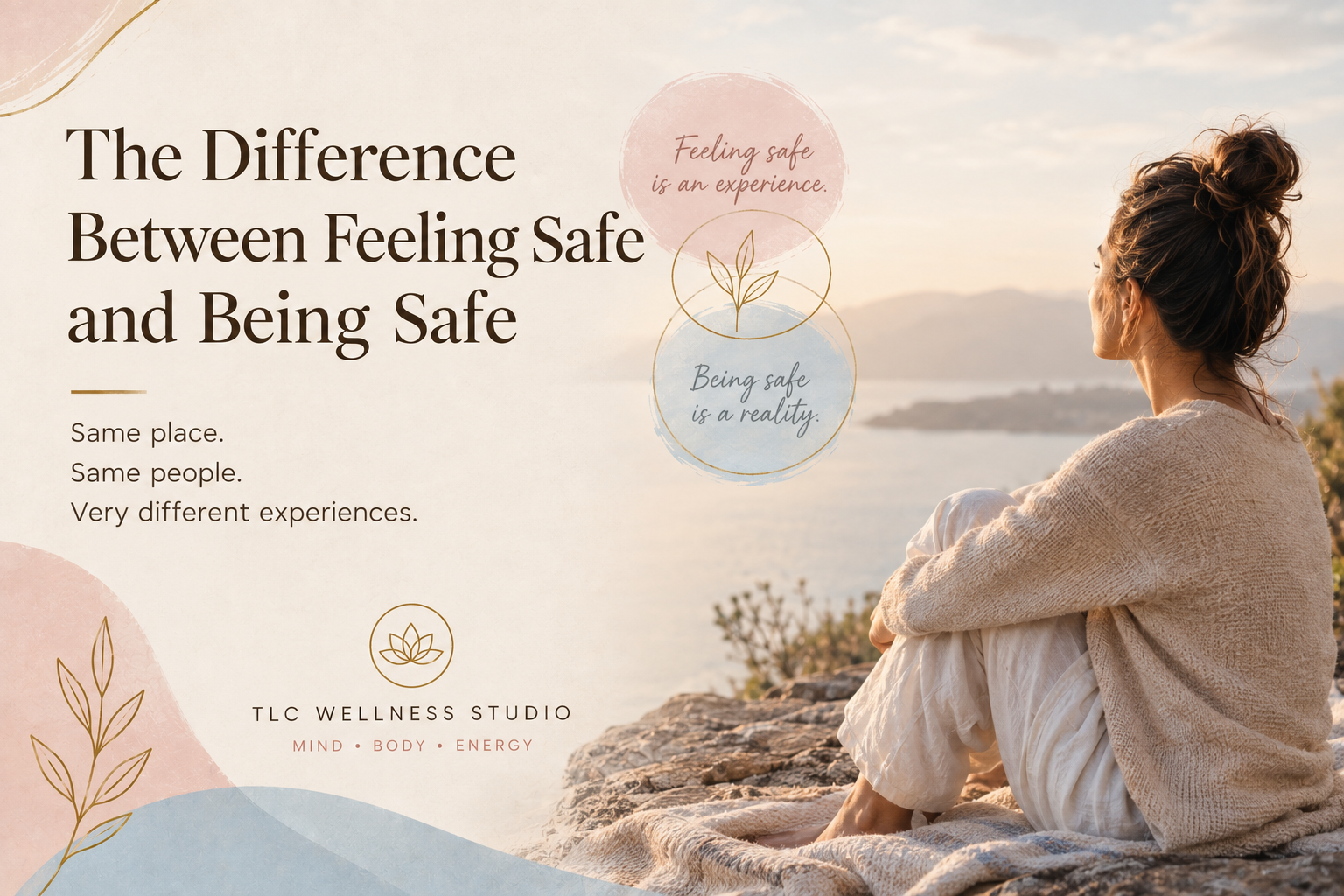
Healing Is About Building Safety
One of the most meaningful shifts in modern wellness conversations is this:
Healing isn’t simply about getting rid of symptoms.
It’s about helping the body experience safety again.
Safety can look like:
- Taking a slow breath.
- Feeling supported in a trusted relationship.
- Spending time in nature.
- Moving your body gently.
- Practicing mindfulness.
- Creating moments of quiet.
- Learning healthy boundaries.
These experiences don’t erase life’s challenges.
But over time, they can help create new patterns of resilience.
You Don’t Have to Fight Yourself
Many people spend years believing they need to overcome or defeat their stress responses.
But what if those responses aren’t the enemy?
What if they’re evidence of a nervous system that has worked incredibly hard to protect you?
Approaching your body with compassion doesn’t mean ignoring difficult emotions.
It means recognizing that healing often begins with understanding rather than resistance.
Pause & Practice
Take one minute to notice your body without trying to change it.
Ask yourself:
- Where do I feel the most relaxed?
- Where do I feel the most tension?
- What emotion best describes this moment?
- If my body could speak, what might it be asking for today?
Simply observe.
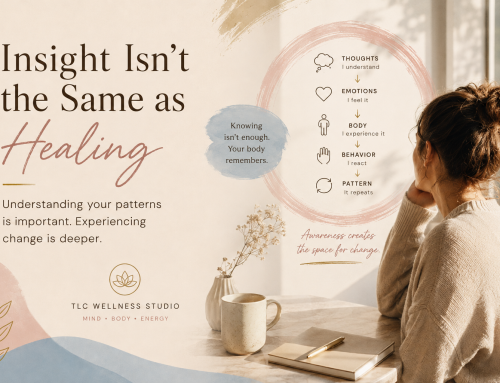
Awareness is often the beginning of meaningful change.
Reflection Journal
Today’s reflection:
What does feeling “safe” mean to you?
Is it a place?
A person?
A routine?
A memory?
Write about a time when your body felt calm, supported, or at ease.
What helped create that experience?
Monthly Affirmation
“I choose to meet my body with compassion. Every breath, every pause, and every moment of awareness helps me move toward greater balance and wellbeing.”
Continue the Conversation
Healing isn’t about having all the answers.
It’s about staying curious.
If you’re interested in exploring nervous-system healing, emotional wellbeing, somatic practices, and the evolving field of energy psychology, we’d love to welcome you into our TLC Wellness community.
Inside you’ll find:
- Weekly discussions on whole-person wellness
- Practical mind-body tools
- Educational resources grounded in current research
- Reflection prompts and supportive conversations
- A welcoming community committed to learning and growth
Join us here:
https://www.skool.com/tlc-wellness-5108
Wherever you are on your journey, there’s a place for you here.
References
- The Body Keeps the Score (for broader discussion of trauma and the mind-body connection)
- American Psychological Association (APA). Resources on stress, trauma, and resilience.
- National Center for Complementary and Integrative Health (NCCIH). Information on mind-body approaches to health.
- Frontiers in Psychology. Research on Emotional Freedom Techniques (EFT) and stress regulation.
- Research on polyvagal theory and autonomic nervous system regulation (ongoing and evolving field of study).