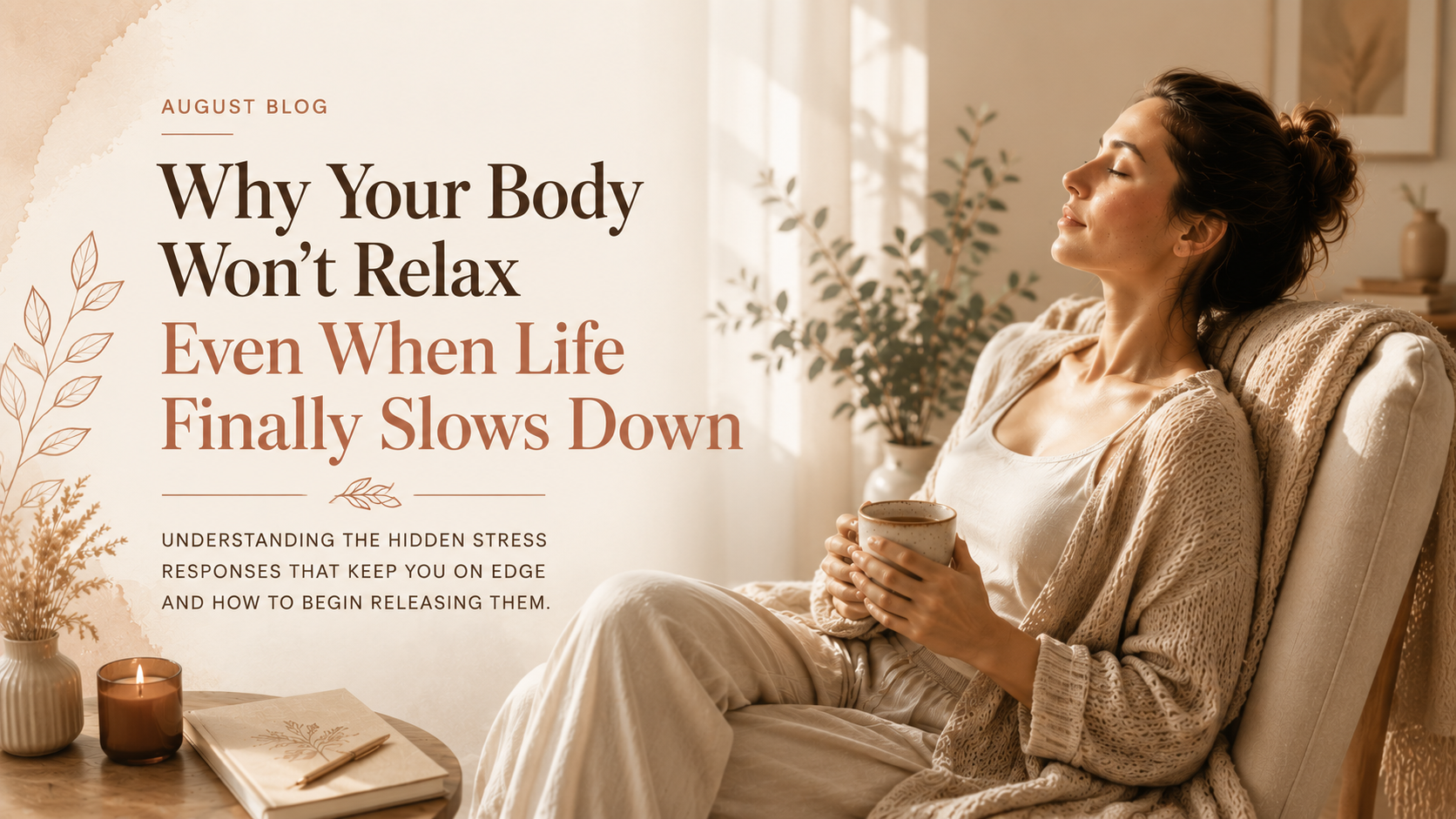
By TLC Wellness
There comes a moment after the deadlines have passed, the crisis has settled, or the vacation has finally begun when you expect to feel different.
You tell yourself, “Now I can relax.”
But instead of feeling calm, your mind keeps racing.
Your shoulders remain tense.
You wake up tired even after a full night’s sleep.
You find yourself checking your phone, thinking about tomorrow, or feeling strangely restless in the very moment you’ve been waiting for.
If you’ve ever wondered, “Why can’t I relax when life has finally slowed down?” you’re not alone.
And perhaps more importantly—you are not broken.
Your body may simply be doing exactly what it was designed to do.
Your Nervous System Is Always Paying Attention
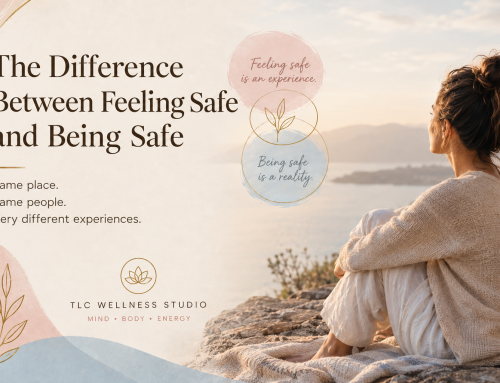
Long before we’re consciously aware of stress, our nervous system is already responding.
It’s constantly scanning our environment, asking one important question:
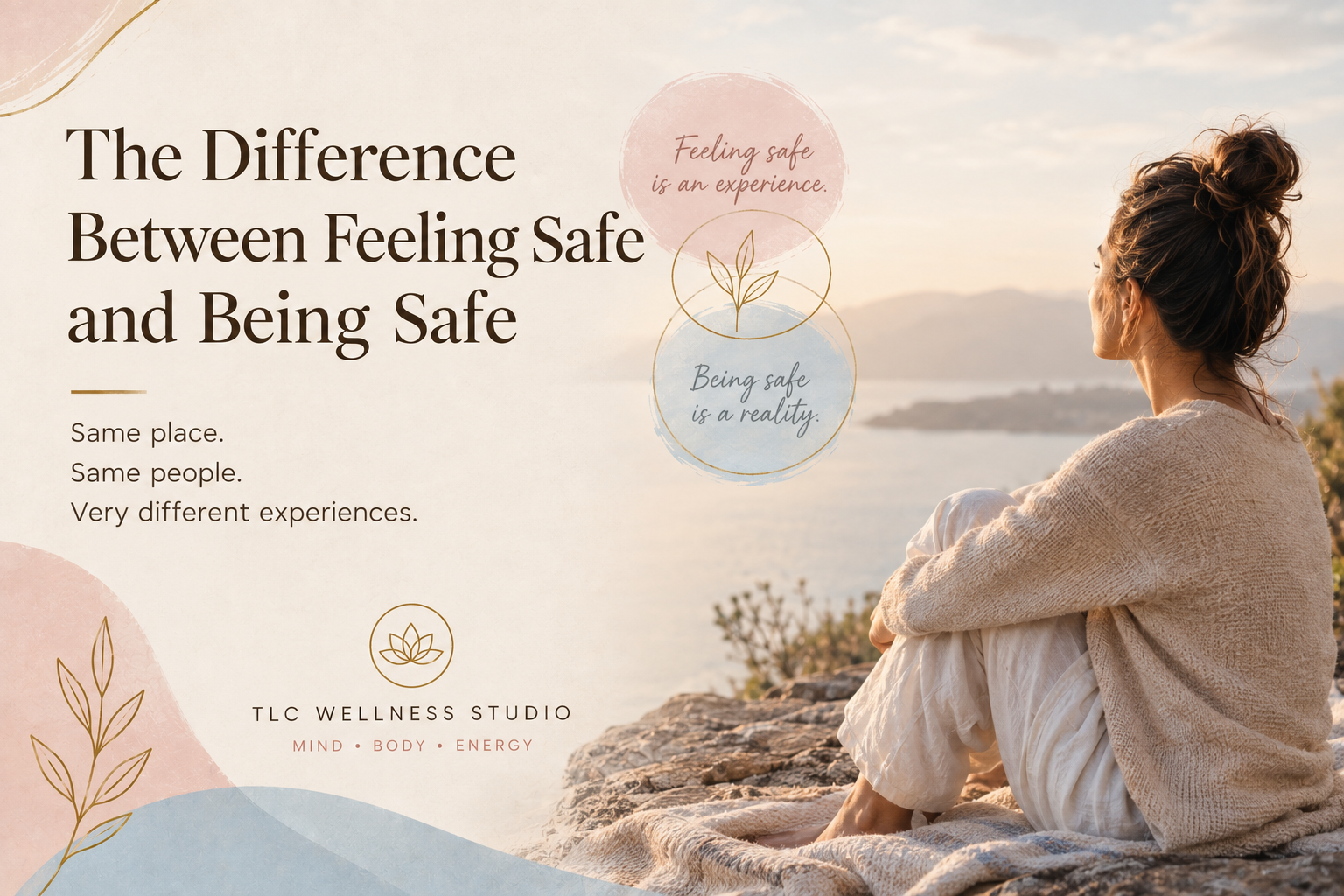
“Am I safe?”
When the answer feels uncertain, the body prepares to protect us.
Your heart beats faster.
Your muscles tighten.
Your breathing becomes shorter.
Your mind becomes more alert.
This is your body’s natural survival response—often called the fight, flight, or freeze response.
It’s an incredible system designed to help us survive immediate danger.
The challenge is that today’s “threats” rarely disappear after a few minutes.
Instead, many of us live with ongoing stress:
- demanding careers
- financial uncertainty
- caregiving responsibilities
- relationship challenges
- endless notifications
- constant pressure to keep going
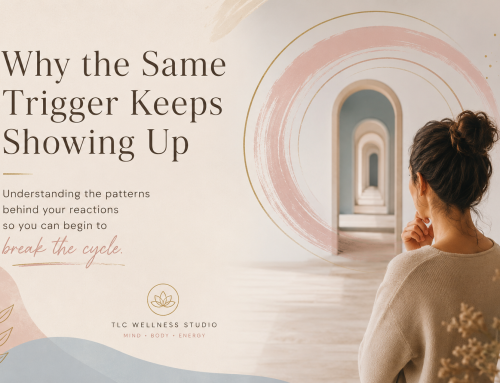
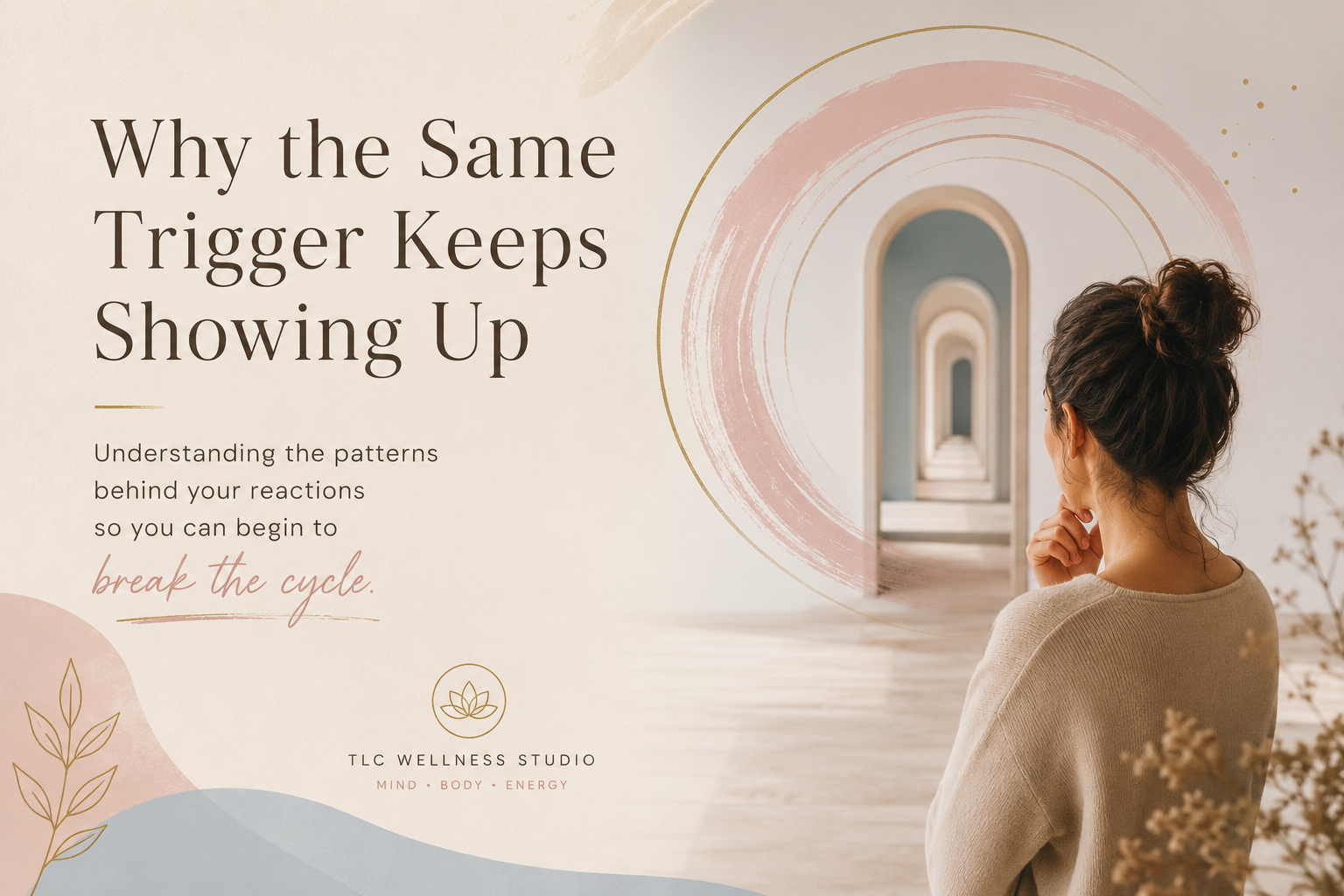
Eventually, the nervous system can become accustomed to staying “on.”
Even when life becomes quieter, the body may still be waiting for the next emergency.
Why Rest Can Feel Uncomfortable
Many people blame themselves for not knowing how to relax.
“I should be enjoying this.”
“I should be able to slow down.”
“I must be doing something wrong.”
But what if your body simply hasn’t learned that it’s safe to rest?
After living in survival mode for weeks, months, or even years, slowing down can actually feel unfamiliar.
You may notice yourself:
- feeling restless during quiet moments
- struggling to sit still
- reaching for your phone without thinking
- feeling guilty for resting
- having racing thoughts before bed
- staying busy even when you don’t have to
These aren’t signs of weakness.
They’re often signs of a nervous system that has been working overtime.
Stress Doesn’t Just Live in the Mind
For many years, emotional wellbeing was viewed primarily through our thoughts and emotions.
Today, researchers continue exploring something much broader:
Stress affects the entire body.
Chronic stress has been associated with changes in sleep, digestion, attention, emotional regulation, immune function, and overall wellbeing.
That’s one reason conversations around mind-body wellness have grown so rapidly.
People are becoming more curious about practices that acknowledge the relationship between emotions, physiology, and the nervous system.
A Shift Toward Whole-Person Healing
As these conversations evolve, approaches such as mindfulness, breathwork, somatic therapy, yoga, and Emotional Freedom Techniques (EFT) are receiving renewed attention.
Each takes a slightly different approach, but they share a common thread:
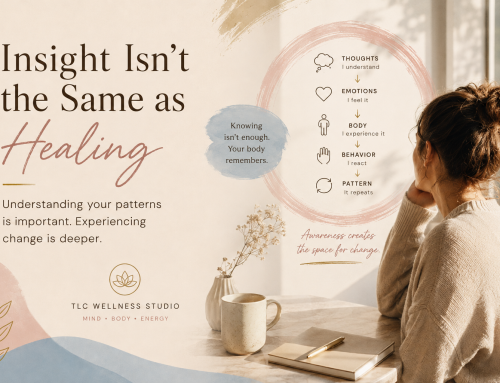
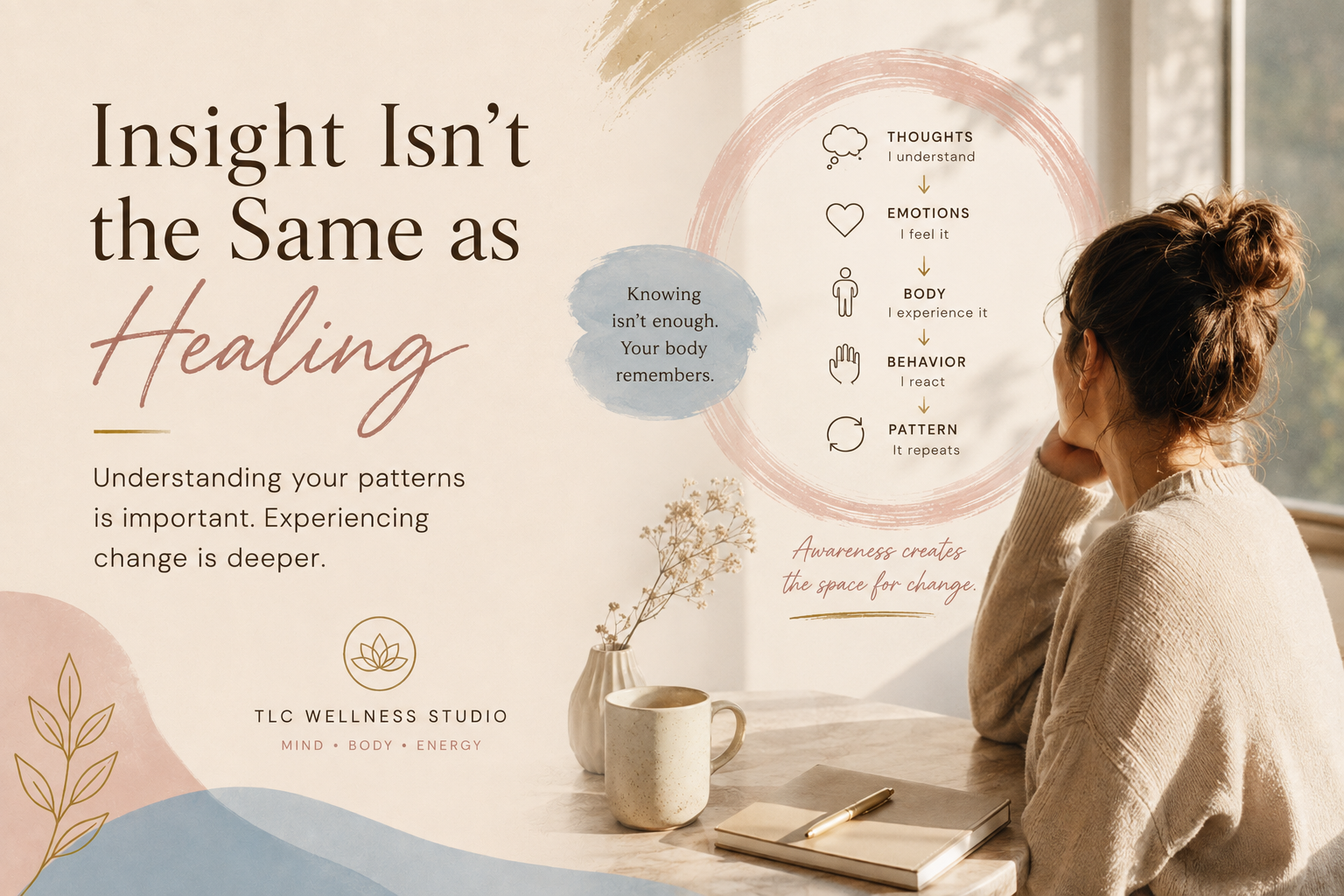
Healing isn’t only about changing our thoughts.
It’s also about helping the body experience safety, regulation, and connection.
Researchers continue studying these practices to better understand how they may support emotional wellbeing. While some approaches remain the subject of ongoing scientific debate, growing interest reflects a broader recognition that healing often involves both the mind and the body.
Small Moments Matter More Than You Think
One of the biggest misconceptions about healing is that it requires dramatic change.
In reality, healing is often built through small, consistent moments of awareness.
You don’t have to meditate for an hour.
You don’t have to eliminate every source of stress.
Sometimes the most meaningful step is simply noticing.
Try asking yourself:
- How am I breathing right now?
- Where am I holding tension?
- What does my body need in this moment?
- Have I given myself permission to pause today?
Awareness is often where healing begins.
You Don’t Have to Fight Your Body
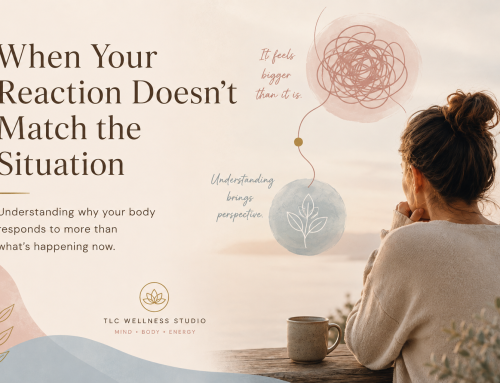
Your body isn’t trying to make life difficult.
It’s trying to keep you safe.
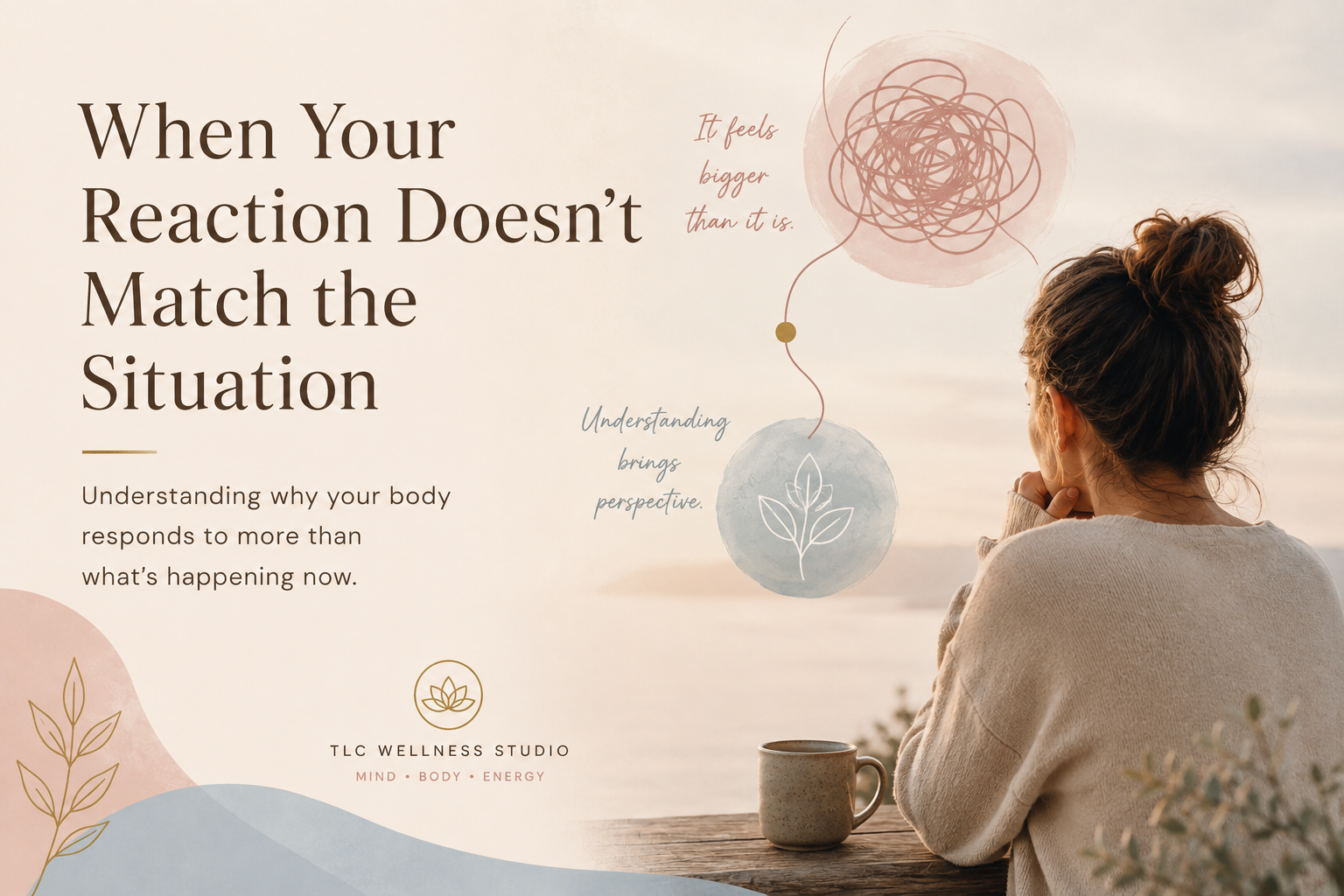
When we begin to view our stress responses with curiosity instead of criticism, something shifts.
Instead of asking,
“What’s wrong with me?”
We begin asking,
“What is my body trying to tell me?”
That question alone can open the door to greater self-compassion and a deeper understanding of how we respond to life’s challenges.
Healing doesn’t happen because we force ourselves to relax.
It happens when we gently create the conditions where relaxation becomes possible.
Pause & Practice
Before you continue with your day, give yourself one quiet minute.
Close your eyes if that feels comfortable.
Take a slow breath in through your nose.
Now exhale just a little longer than you inhaled.
Notice:
- Is your jaw relaxed?
- Are your shoulders lifted?
- Where are you holding tension?
- Can you soften just one area of your body?
There is nothing to fix.
Nothing to accomplish.
Just notice.
Sometimes the first step toward healing isn’t changing your thoughts.
It’s listening to what your body has been trying to say all along.
Reflection Journal
Take a few quiet moments to reflect on this question:
When was the last time you truly felt at ease in your body?
What did that moment feel like?
What helped you feel safe, grounded, or present?
There are no right or wrong answers.
The goal isn’t perfection.
It’s awareness.
A Gentle Reminder
Healing isn’t about becoming a different person.
It’s about reconnecting with the one you’ve always been beneath the stress, the pressure, and the survival mode.
Your body has carried you through every challenge you’ve faced.
Perhaps now it’s asking for something different.
Not more pressure.
Not more productivity.
Just a little more compassion.
Monthly Affirmation
“My body is not working against me. It is doing its best to protect me. With patience, awareness, and compassion, I can gently teach it that it is safe to rest.”
Continue the Conversation
Healing is often easier when we don’t do it alone.
If you’re interested in learning more about nervous-system healing, emotional wellbeing, somatic practices, and the evolving field of energy psychology, we’d love to welcome you into our TLC Wellness community.
Inside our Skool community, you’ll find:
- Thoughtful discussions on emotional wellness
- Practical mind-body tools and exercises
- Weekly reflections and wellness resources
- A supportive community exploring whole-person healing together
Join us here:
https://www.skool.com/tlc-wellness-5108
Wherever you are on your journey, you’re welcome here.