By TLC Wellness
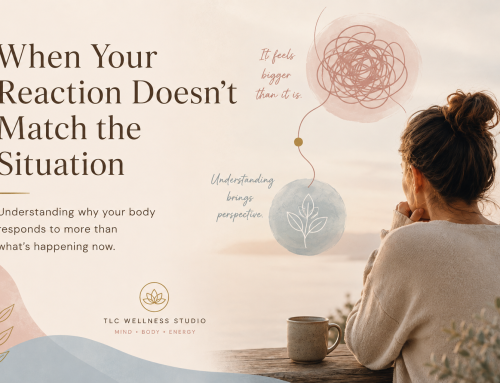
Have you ever had a reaction that seemed much bigger than the situation in front of you?
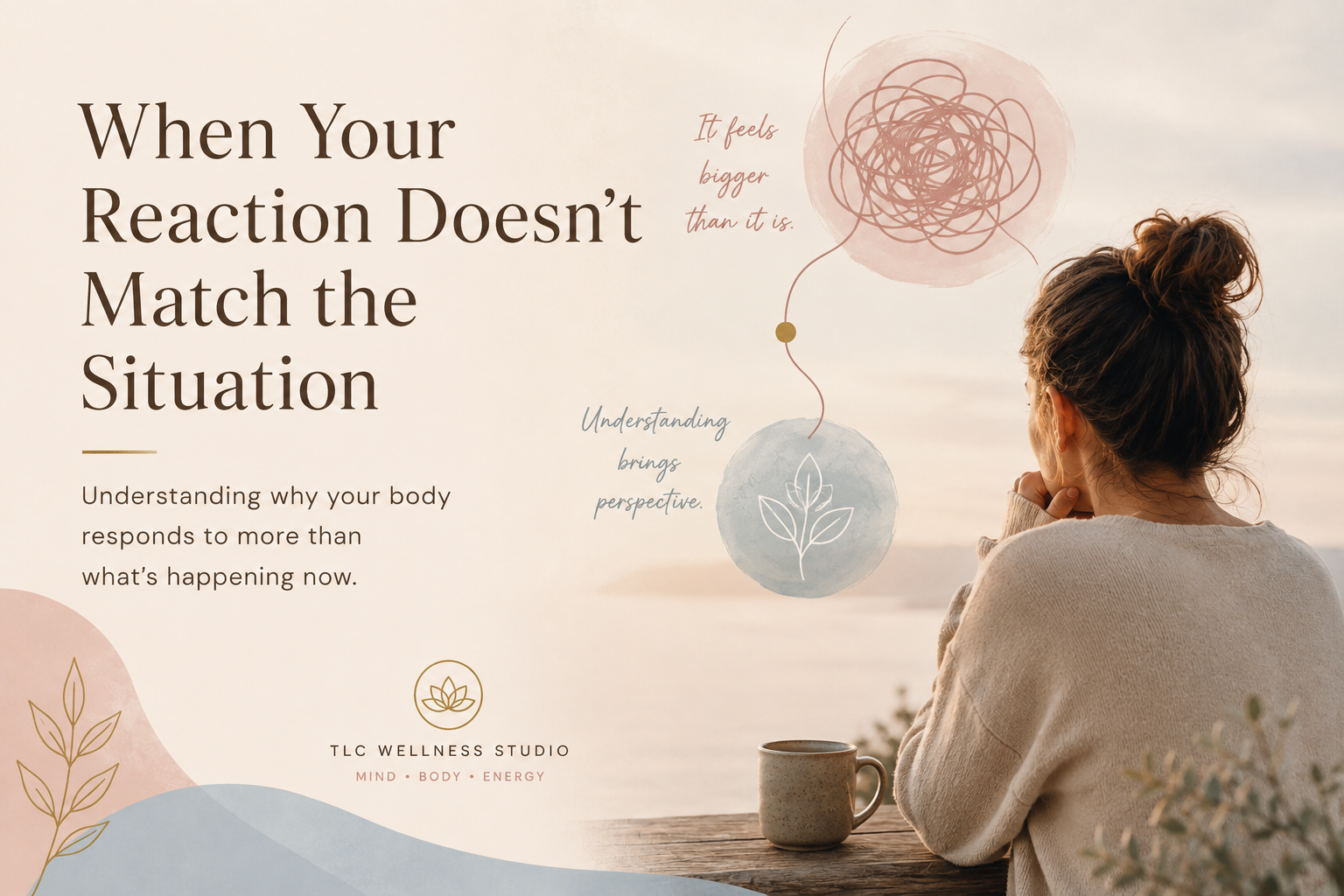
Someone says something seemingly small, and suddenly you feel angry, rejected, anxious, defensive, or overwhelmed.
You may even recognize afterward that your reaction seemed disproportionate.
And then you wonder:
Why did I react that way?
Sometimes the most useful question isn’t, “What’s wrong with me?”
It’s:
“What does this reaction remind my system of?”
A trigger is more than the moment itself
A trigger can be an experience, interaction, sensation, word, tone of voice, or situation that activates a strong emotional or physiological response.
The present moment may be relatively ordinary.
But your response can feel anything but ordinary.
Research on traumatic stress has explored how cues associated with threatening experiences can later reactivate fear and physiological arousal. The brain and body don’t simply respond to what is happening right now; previous learning and associations can influence how a situation is interpreted.
That doesn’t mean every strong reaction is caused by trauma.
It does mean that our reactions have context.
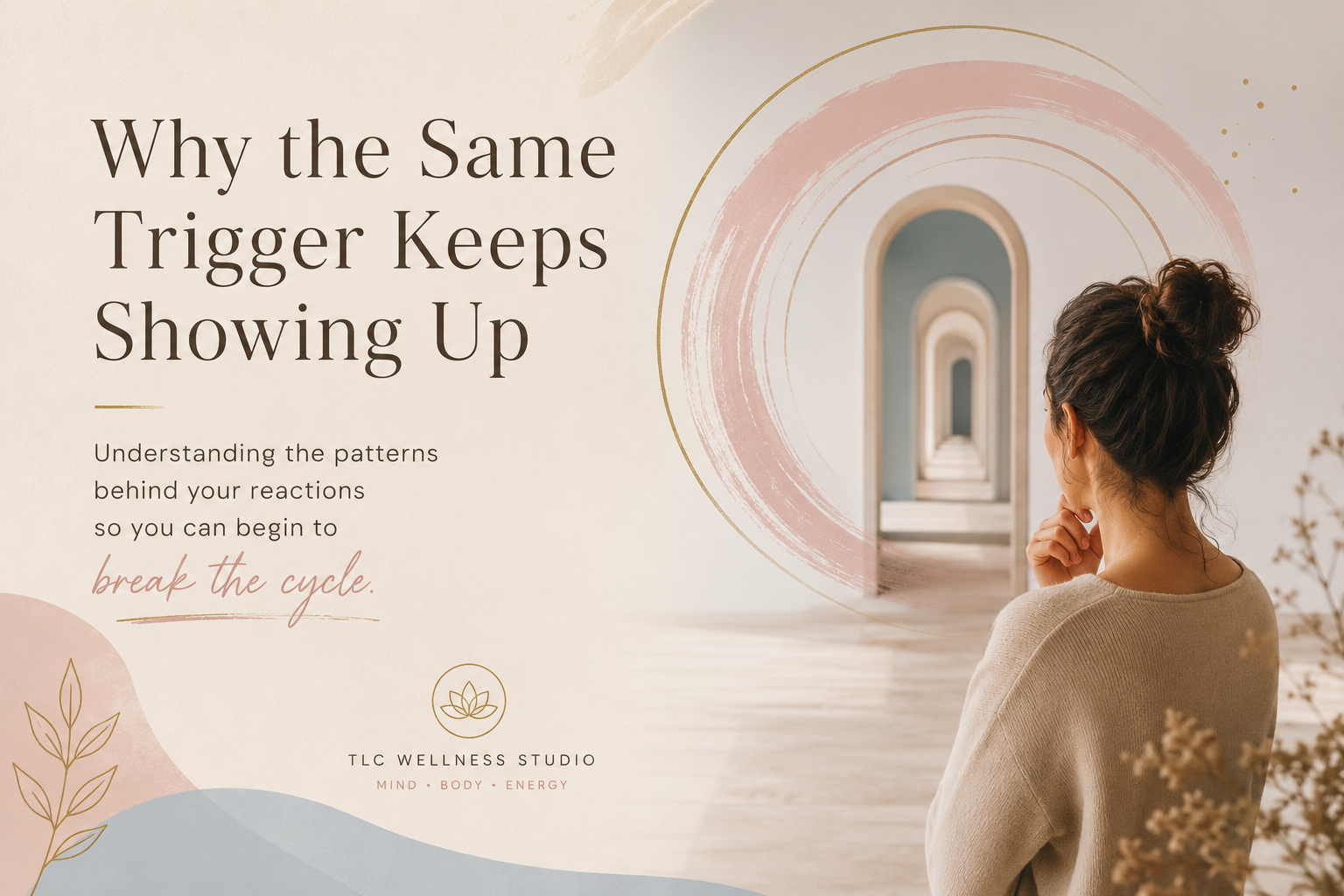
Why does the same thing keep happening?
Imagine someone who becomes extremely anxious whenever another person seems disappointed in them.
They may tell themselves:
“I know they aren’t angry with me.”
“I know I didn’t do anything wrong.”
“I shouldn’t be reacting like this.”
And yet their body reacts.
Their stomach tightens.
Their thoughts accelerate.
They feel an urgent need to explain themselves or make the other person happy.
Knowing intellectually that the situation is safe doesn’t necessarily make the reaction disappear.
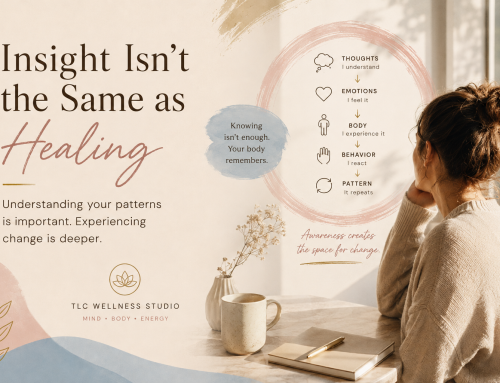
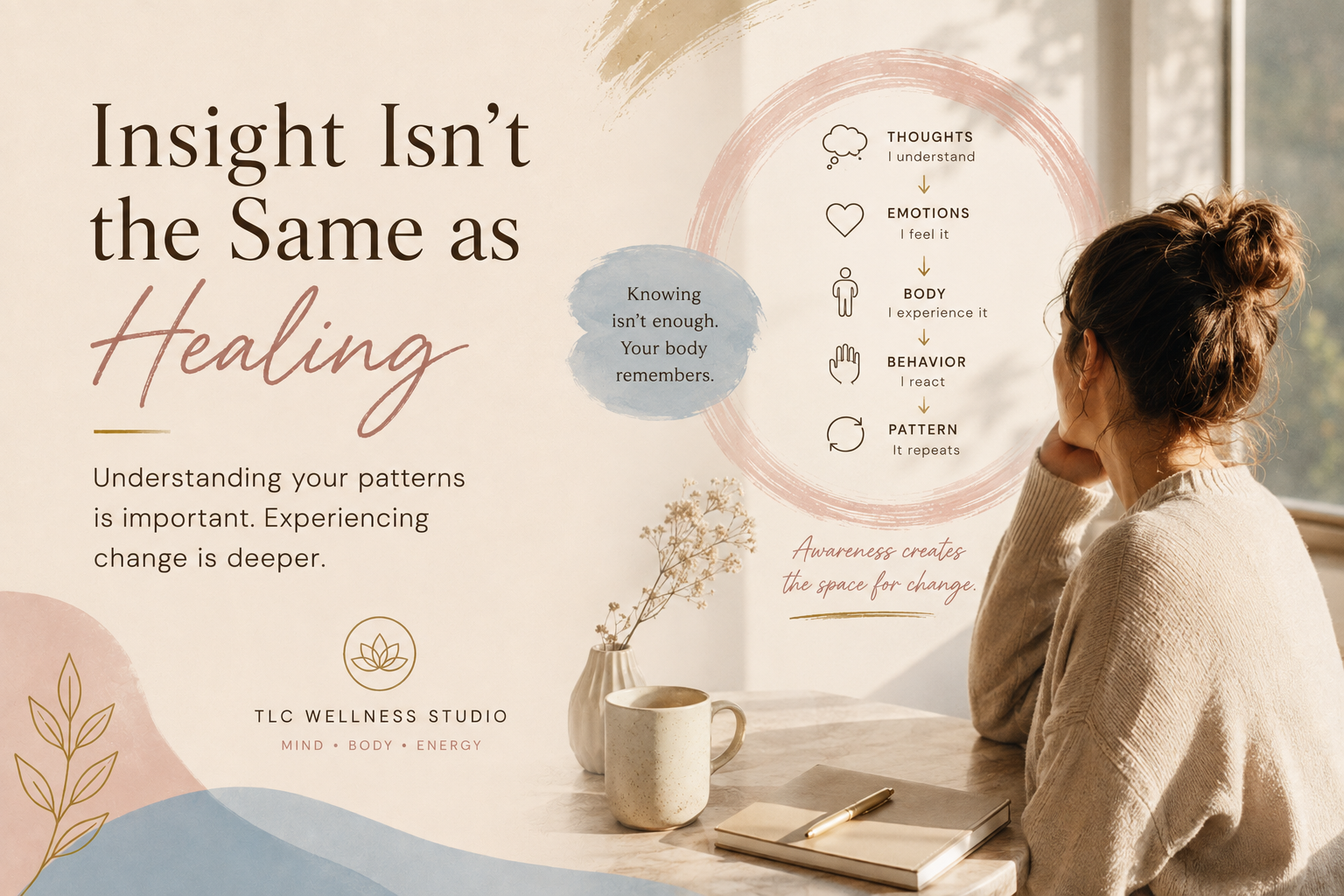
That’s because understanding something cognitively and changing an established pattern are not always the same thing.
The pattern underneath the trigger
A useful way to begin exploring a recurring trigger is to slow the process down.
Instead of focusing only on:
What happened?
Ask:
What did I feel?
Then:
What did I expect was going to happen?
Then:
What did I feel compelled to do?
And finally:
Where have I experienced something like this before?
You may begin to notice a pattern.
For example:
Trigger: Someone becomes distant.
Reaction: Anxiety.
Meaning: “I’ve done something wrong.”
Response: Over-explaining, apologizing, or trying to regain closeness.
The trigger isn’t necessarily the entire problem.
It may be the doorway into a larger pattern.
Your reaction contains information
This is one reason I encourage curiosity rather than judgment.
Instead of:
“Why am I like this?”
Try:
“That’s interesting. Something about this situation activated me.”
That small shift can change the conversation you have with yourself.
You aren’t excusing the reaction.
You aren’t assuming that every reaction is accurate.
You’re becoming curious about what is happening.
And curiosity gives us somewhere to begin.
A word of caution about trauma and memory
It’s tempting to assume that every strong reaction proves that something specific happened in the past.
We need to be careful here.
Research on emotional and trauma memory shows that strong emotional experiences can influence how information is encoded and remembered, but emotional intensity does not guarantee that every detail of a memory is accurate.
So exploring patterns doesn’t mean trying to manufacture an explanation.
It means staying curious about the relationship between present experience, past learning, emotions, thoughts, and bodily responses.
What if the trigger is information?
A trigger doesn’t have to become an enemy.
It can become information.
Information about:
- what feels threatening to you
- what you expect from other people
- what boundaries may need attention
- what emotions are difficult to tolerate
- what patterns may be repeating
- what your body is responding to
That information can become useful when approached thoughtfully and, when necessary, with professional support.
Try this
The next time you notice a strong reaction, pause before judging yourself.
Ask:
What just happened?
What am I feeling?
What am I expecting?
What am I afraid might happen next?
You don’t have to solve it immediately.
Start by noticing.
Sometimes the first step in changing a pattern is finally seeing it clearly.
Continue the Conversation
If you’re interested in exploring the relationship between stress, emotional patterns, and the body, visit the TLC Wellness Studio community.
Join us on Skool:
https://www.skool.com/tlc-wellness-5108
This article is for educational purposes and is not a substitute for individualized mental health care.